
A foreword before we jump into this article: I have not written tournament reports for probably obvious reasons for almost 2 years, so I am very sorry that this is probably a very clunky read! For those of you that have not read any of my MTG tournament reports (hello new people!) let me introduce you to my intentions behind this. Tournament Reports are a great way to self-reflect and learn. I think a lot about interactions with players or rulings that I should check out a second time. Writing them down helps me to process and order these thoughts and bring them into a shape where other people also may benefit from it. Be it a new perspective for the few players that find their way here or the judges that get to read how different events are run, what problems arose and what questions we had the pleasure to answer.
I prepared a quick reference table for my team and myself since the official one is kind of lacking at the moment. Please be aware that it is for the current Policy Guidline, as it changes this table probably won’t be up to date anymore, but feel free to use it yourself for now.
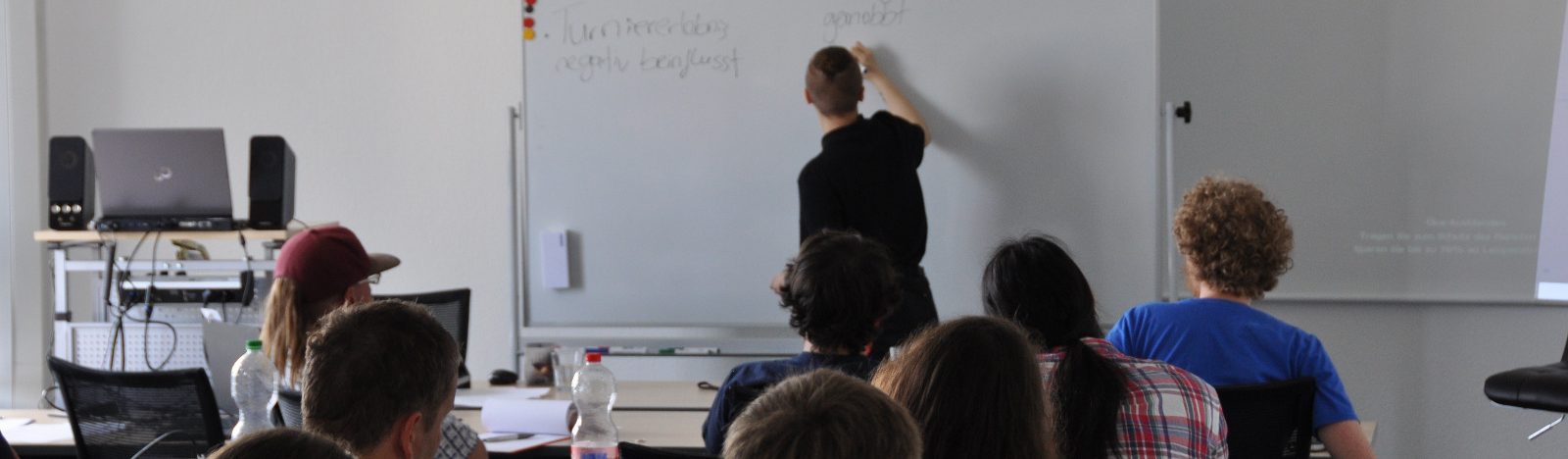
So let’s dive into this report with some statistics! These Nationals were hosted by “SpielRaum Wien” with 30 players playing in 6 Swiss Rounds of Classic Constructed plus a Top 8 for the Title as National Champion. 4 Judges kept the event running and did check 8 decks which is around ¼ of all Decks. 2 Bravo and 6 Briar made it to the top 8, the top 4 consisted of only Briar.

Actually we would have been 31 players but one of the players who showed up had their place of main residence in Germany, not Austria, so we had to turn them away.
We also struggled with the number of Rounds. The fact sheet for this event had 6 Rounds listed but the recommended number of swiss rounds for 30 players is 5. We ended up following the fact sheet which most players didn’t mind, but it made the cut for top 8 quite a bit wierd.
But that’s that and now onto the more interesting situations and rules scenarios that happened at the tournement (You can find the answers at the bottom of this article, try answering them yourself first, maybe you will learn something new)!
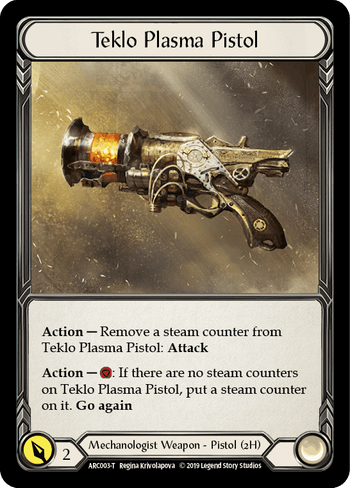
1: “JUDGE!!!!! If I attack with my Teklo Plamsa Pistol and give it Go again and attack with it a second time, can my opponent use their Rampart of the Ram’s Head to defend it again?”

2: You arrive at a table after the players called for a judge, the current turn player points on the floor asking: “What do we do now?” At the floor you can see about 20 cards that they explain slid from the top of their deck by accident to the floor. Some of the cards are face up and some are face down. What do you do?
3: “Judge! Can my opponent still do this?” You look into what is going on, the turn player explains that they drew their card from Plunder Run after having hit with Exude Confidence. Before they play their next attack they want to activate Exude Confidences Ability. Can they?


4: In their turn Tyler played a Channel Lake Frigid and managed to keep the aura staying in the Arena. Now it is Amandas Turn and they start playing their attacks. In Chainlink 2 the players realise Amanda forgot to pay 1 Resource more for their current and previous attack. What do we do?

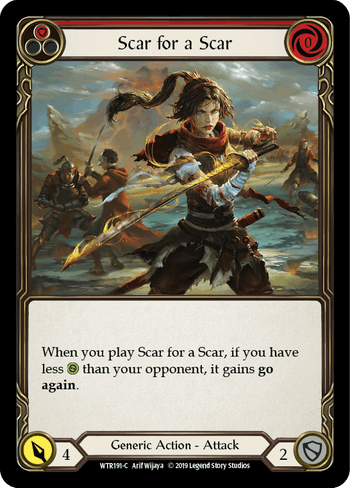
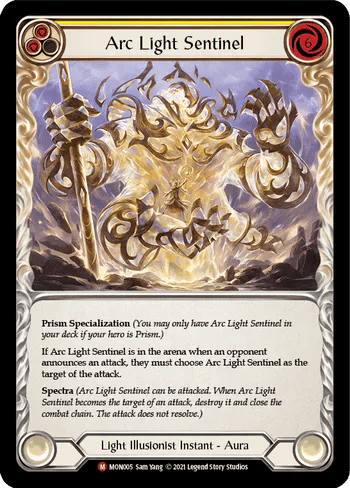
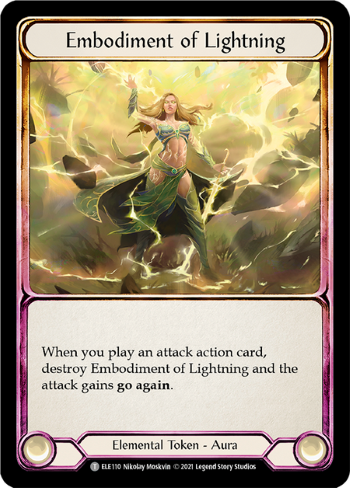
5: “I attack with my “Scar for a Scar” and I have to attack the “Arclight Sentinal” right? Well, does my Embodiment of Lightning stay in the Arena or not? Because we close this chainlink so everything goes right? But doesn’t that happen before anything else can happen?”

What else?
There are 2 scenarios I just want to talk about because I don’t have a definite answer. The first one is just a statment because I don’t feel like I can trust my memory well enough to build up the situation as it happened as it was in the very end of a long and exhausting tournament day:
If you are a player, and you want to appeal the Floor Judge you need to be respectful to the Floor Judge. Let them finish their Ruling, don’t interrupt them by asking for another judge. When they are finished simply request an Appeal. Judges are used to hand over a Judgecall to the Head Judge or an Appeals Judge. It happens fairly often and usually the judge very much understands your need for a clarification, a second opinion or an overruling. Be aware that if you do not let the Floor Judge finish their ruling you will most likely recive a warning for Unsporting Conduct Minor.
I can say that this particular situation made me think: “Why am I even here if I am not even listened to at all, if I am just ignored?”. It really sucks. Judges are there to help you enjoy the event, to give you fair rulings and help in situations where things went wrong. There is nothing worse for a judge (at least from my experience) than leaving an event feeling you weren’t wanted there.
But lets leave that behind and get to the most interesting situation for me this event. I am a fairily new Flesh and Blood player, trying to build my first CC deck so naturally I want to watch people play as much as possible. I ended up watching a match round 1. There was space at the table and well, I want to build Lexi too so certainly I wanted to see what this player had in store. As the game progressed the Lexi player played and resolved a “Remembrance”, shuffling “Light it Up” and 2 other not relevant for this scenario cards into their deck. Well, more or less. They put the 2 cards on top of their deck and “Light it Up” onto the bottom of their deck. Then proceeded to shuffle only the top three quarters of their deck. Their Opponent then cut the deck, putting “Light it Up” somewhere into the midde of it.


My alarm bells rang. “Light it Up” was a very good card in this matchup ( I think), the opponent had all 4 Equippment pieces left and the game had progressed quite a bit. I immediatly brought this to my HJ attention who ordered me to keep watching the game. So I did. Well, guess which card won the game. You probably know which one. They added a “Lightning Press” on top after their opponent barely defended enough. I can’t be 100% sure but the “Light it up” shuffled in and the one that won the game both have been a foil so certainly they may (or may not) be the same one. I brought this again up to my HJ who ordered me and my fellow judged to keep our eyes peeled for more such behavior. During the course of the tournament this situation more or less vanished, we didn’t see any more suspicious acts done by that player. However I wish we would have investigated more or in a different way and it does feel like we neither stopped this behaviour nor discovered more. And at the very least this would have been a Warning for Insufficient Shuffling. I talked about this with a few more experienced judges and certainly learned that I should have stopped the game when the Turn Player presented their deck so I would have the evidence of something fishy going on. A question we could have asked ourself and the players is if the opponent shuffled or just cut the deck when they presented before the gamestarted. If they shuffled it does make it a bit less suspicious, if they cut before it would make it quite a bit harder to deny that something is wrong here.
I actually thought quite a bit about if I should or should not write about this scenario simply because there only has been one Lexi player at the event so if players are reading this they might recognize the person. I do like to keep my scenarios as neutral as possible, not involving the players anymore, but I believe the learning from this is much more valuable than the potential of people knowing who this person was.
So, if you are a player who played at the event or know the person from this scenario please refrain from calling them a cheater or anything else like that. Situations happen, we don’t know what happened because we did not investigate well enough even though we should have. While it did look intentional to me it may just have been a weird way to shuffle, we can’t say that afterwards. Instead show the person this paragraph so that either a) the person realizes they shuffle in a way that looks very suspicious and learn how to change that or b) they realize that they maybe should not do this anymore because the judges do see things like this and it will get them into trouble.
Afterword

All together I have to say that I loved judging at this event. I certainly hope there will be more opportunities like this. It was great to see old friends again, after such a long time stuck at home in the pandemic, and then experiencing something new with them all, learning and enjoying a new game. And while there were minor hickups I believe we did a great job to make this an enjoyable experience for the players and each other. And just to note it somewhere: judging a real life event with real board states and real situations helped quite a bit with the learning and then passing my L1 test a few days afterwards.
Thanks for reading this article, if you have any feedback feel free to leave a comment or write me an e-mail 🙂
Answers
1: Yes. Teklo Plasma Pistol in particular needs an action to put a steam counter on it to be able to attack again. Doing that is a non Attack Action and therefore the Combat Chain has to close, which means all Equipment pieces that defended this combat chain return to their respective Zone. However attacking with other weapons a second time (if you are legally able to) does not break the combat chain.
2: First we should ensure to get all the cards so that the player is not playing with a few missing. Then we explain that what happened here is a classic “Looking at Extra Cards”. At Casual we would give the player a Caution, at Professional (like the Nationals) we give a Warning. Then we let the opponent choose where each card goes (on top or bottom of the deck) in any order. (Unless the deck is fully randomised when the error happened, then we just shuffle the cards back in).
3: Yes, the turn player can do that. For the Chain Link Resolution Step to close both players need to pass their priority. In this case the Turn Player wants to (and can) use their Priority to activate Exude Confidences instant ability, so it is added as a Layer in this step.
4: What happened here is a classic Games Rule Violation. We would ask Typer if they want to rewind the game to the point just before Amanda played their first attack since it is still the same turn. If Tyler wants to do that we assist in retracing everything done in the correct order so nothing gets missed. In this situation we would issue both players a warning. To Tyler because they are the player controlling the effect that changes the game and to Amanda because they missed to pay 1 Resource more.
5: Closing the Combat Chain means returning all Equipment and Weapon Cards to they respective zones and removing any Cards and Abilities from the Chainlink that are an Attack, an Attack Reaction or Defense reaction. Instants and triggered abilities stay in the Chainlink, then all “When the Combat Chain closes” triggeres are added to the Combat Chain and the turn player recives priority. Which in this scenario means that the triggered Ability of the Embodiment of Lightning is still a Layer on the chain and tries to resolve, ultimately having it destroyed without an effect to the game.
Thanks a lot to Sebastian Braune for helping me with the spelling and editing of this article. It has been quite a while so I really needed the help 😀
All pictures of the event are by SpielRaum Wien, the Deck pie chart was made by Sebastian and all Cards and Images in said pie chart belong to LSS.
 Eser talks